Warm vs. Cold States: When Is the Best Time to Install an In-Ground Sprinkler System?
If you’ve ever watched a lawn go from “pretty good” to patchy in two hot weeks, you know the stress. You don’t want to spend summer adjusting timers, dragging hoses, or wondering if you’re watering too much—or not enough.
The best time to install an in-ground sprinkler system depends on where you live. But the goal is the same everywhere: a yard that stays green and even without you managing it.
The real problem: most people wait until they’re already frustrated
Homeowners usually start researching irrigation after something breaks:
-
New sod is drying out
-
Sprinklers are missing spots
-
You’re leaving town and don’t trust the system
-
HOA pressure is suddenly real
-
You’re tired of thinking about it every week
The problem is timing. If you wait until peak heat (or peak contractor season), you often end up with rushed decisions, unclear install timelines, and higher stress than you expected.
What to do instead: pick your install window based on your climate
Here’s the simple rule: Install when the ground is workable and you’re not in panic mode.
If you live in a warm state (long watering season)
Think: much of the South, Southwest, coastal areas.
Best window: late winter through spring
Why it works:
-
You’re ahead of the first heat spike
-
Landscapes are actively growing, so results show quickly
-
You can get coverage dialed in before summer travel
Second-best window: early fall
Still great because:
-
Temps drop, water needs stabilize
-
You avoid midsummer installer backlogs
Hardest time: mid-summer
It’s not impossible. It’s just when everyone else calls too—usually after their lawn starts struggling.
If you live in a cold state (freeze + winterization)
Think: upper Midwest, Northeast, mountain regions.
Best window: spring after thaw through early summer
Why it works:
-
Ground is workable
-
You can run the system through the growing season
-
You have time to learn it before fall shutdown
Second-best window: late summer through early fall
This can be ideal if:
-
You want to avoid spring scheduling chaos
-
You’re prepping for next year’s lawn success
Hardest time: late fall
If winter is close, you may not get enough time to fully test and fine-tune coverage.
How installation typically works (two paths)
Path 1: DIY (weekend install)
If you’re comfortable with a hands-on project, DIY can be very doable with clear instructions and a good plan. The process typically looks like:
-
Map your yard and zones
-
Trench and lay lines
-
Install heads and connect valves
-
Test coverage and adjust
This is a great fit for homeowners who like control and don’t mind a “weekend project” pace.
Path 2: Certified installer
If you want speed, clean execution, and confidence:
-
The installer confirms layout and water conditions
-
They handle trenching, connections, and setup
-
You get a system designed to perform consistently
Either way, good results come down to one thing: a smart design that matches your yard.
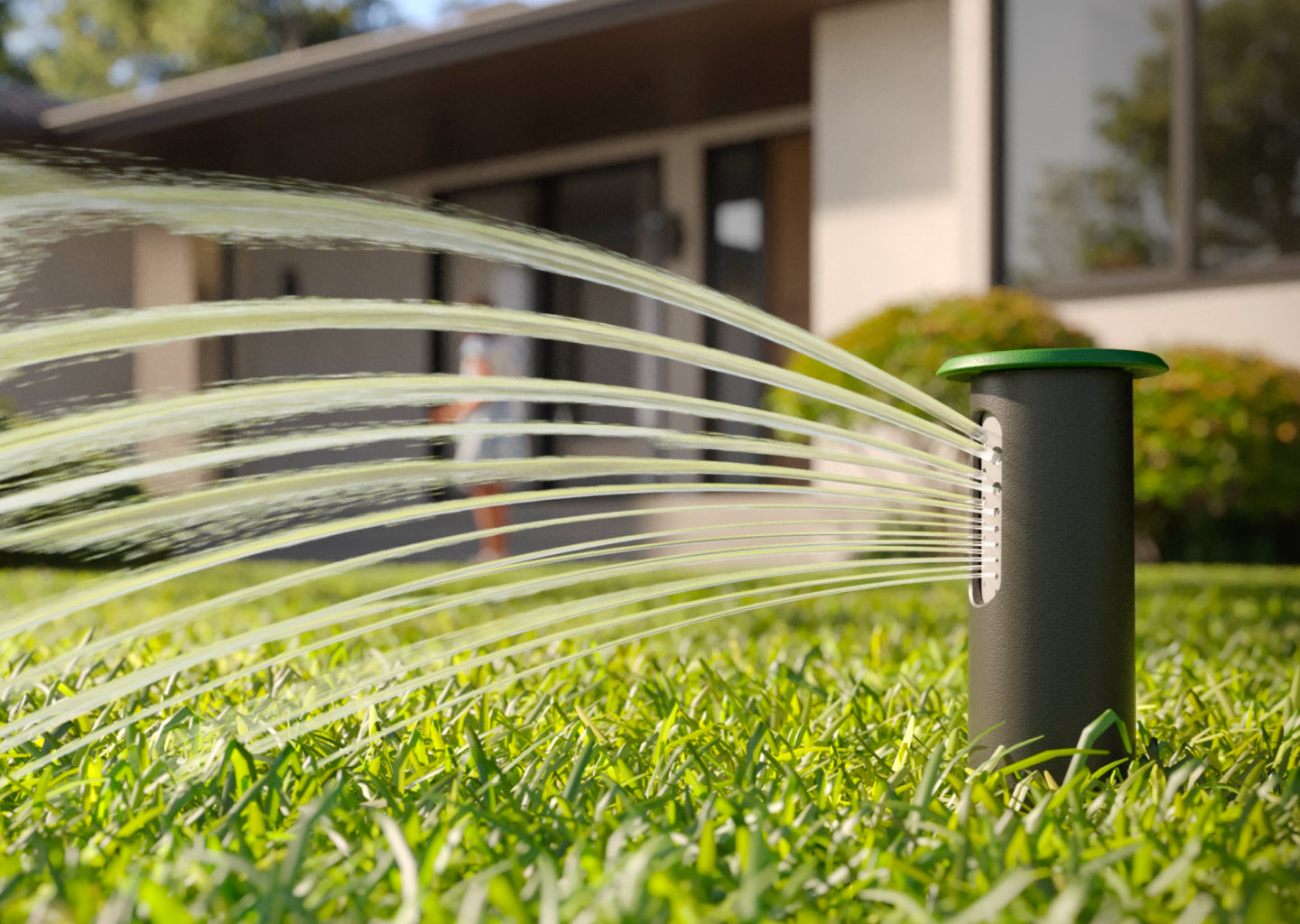
Irrigreen’s approach: even coverage, simple control
A lot of irrigation systems are “smart” on paper, but still leave you with dry spots and constant tweaking.
Irrigreen is built around a simpler promise: your yard, always ready—even green, without the work.
Two things matter most:
-
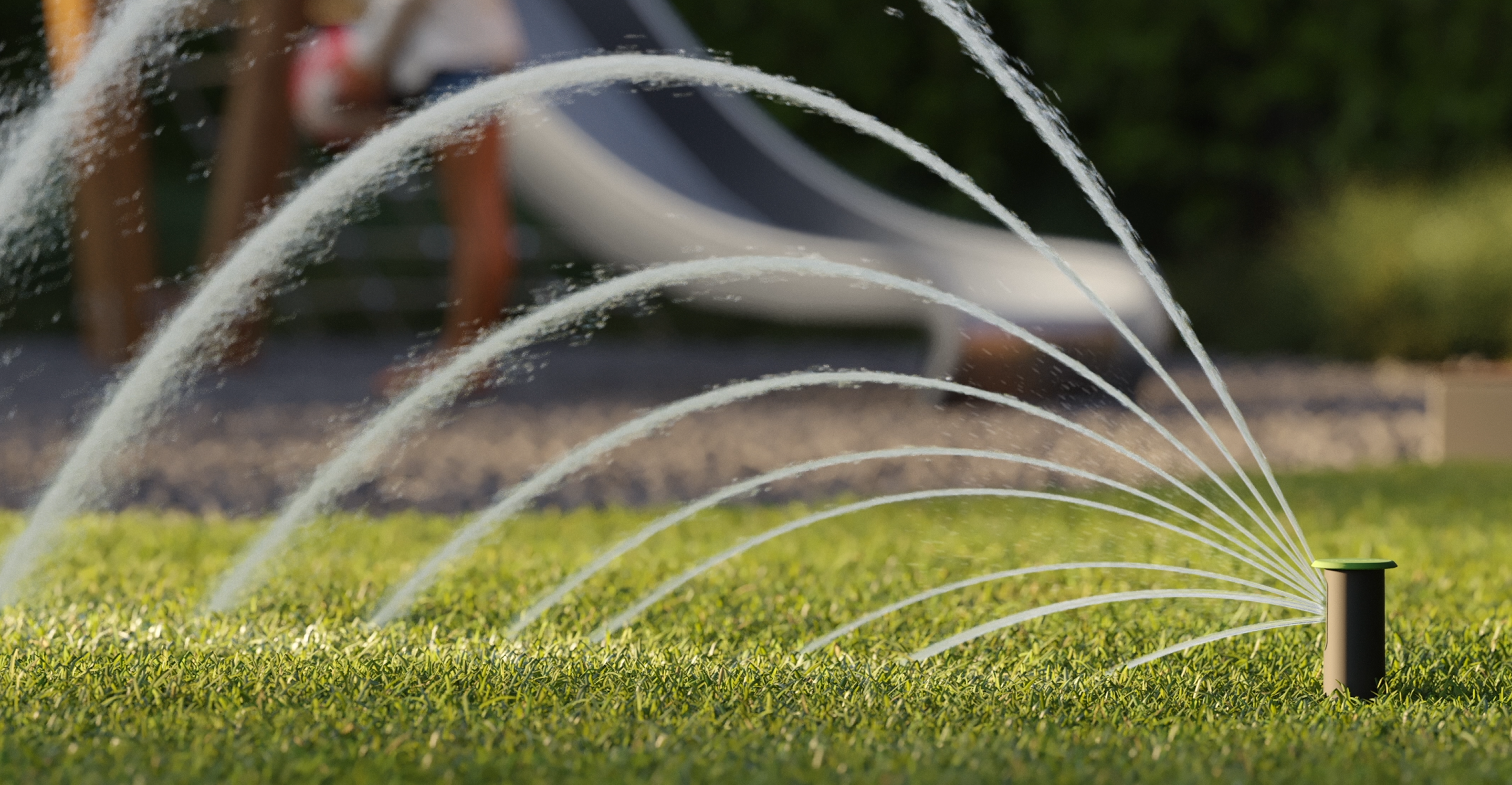
Visible precision: even coverage you can actually see (less chasing brown corners)
-
Quiet control: simple phone control that feels obvious, not technical
If you’re deciding when to install, it usually means you’re already thinking about the bigger decision: what system you want to live with for years.
TL;DR:
FAQs
Should I install before new sod?
Yes—if you can. Installing before sod is usually easier and avoids tearing up a finished lawn.
Is spring always the best time?
Often, yes. But early fall can be just as good (and sometimes easier to schedule).
How long does installation take?
It depends on yard size, complexity, and whether it’s DIY or installed. Planning early helps reduce delays.
Will cold weather damage an in-ground system?
Any in-ground system in a freeze climate needs proper winterization. Your installer can advise based on local conditions.
What if I’m not ready yet?
That’s normal. The best step is to get clarity on layout, install options, and what your yard actually needs.
Will a smart system fix dry spots?
It can—if the design delivers even coverage and the watering plan matches sun/shade and soil conditions.
Next step: Book a consult
If you’re weighing timing, cost, and install options, you don’t need a sales pitch. You need a plan.
Book a consult to talk through your yard, your climate, and the smoothest path to an in-ground system that keeps things green and even—without the weekly guesswork.