How Should You Water Your Lawn in Spring? A Simple Guide for Warm vs. Cold States
Spring is supposed to be the easy season. The lawn wakes up, the yard looks promising, and you start imagining weekends outside again.
Then the watering questions start. Do you run sprinklers if it rained yesterday? What if it suddenly hits 85 degrees? Why is one corner already drying out? If you’ve ever felt behind before summer even starts, this guide is for you.
The real problem: spring weather makes fixed schedules unreliable
Most sprinkler schedules fail in spring for one reason: spring isn’t consistent.
You can get three rainy days, then a warm stretch that feels like July. You can have cold nights and sunny afternoons. And if your system is on a fixed timer, it will keep watering the same way through all of it.
That’s how homeowners end up with:
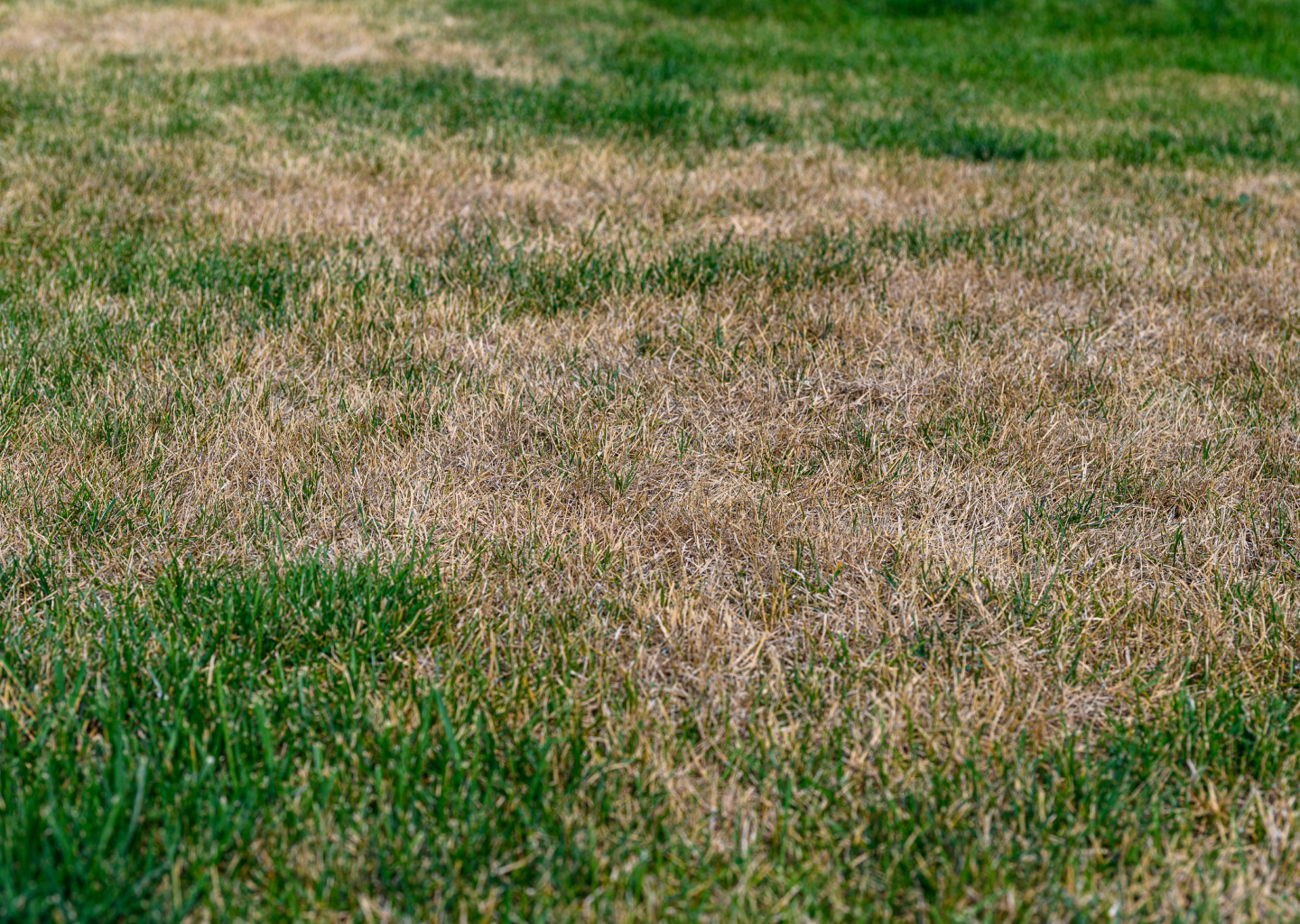
- dry spots that show up during the first hot spell
- soggy areas and runoff when the soil is still saturated
- constant “tweaking” during a busy week
- watering more than necessary just to feel safe
The goal isn’t watering more. It’s watering more intentionally, so your lawn stays even without becoming another weekly task.
What to do instead: use a spring schedule that matches your climate
Think of spring watering like a ramp—not a switch.
You’re slowly moving from “barely needs help” to “summer demand.” The right schedule depends on whether you live in a warm or cold state.
If you live in a warm state (spring starts early)
In warm climates, spring is often already “watering season.” Growth starts sooner, and the lawn can dry out fast if you miss a week.
A simple approach:
- Start earlier, but keep runs short
- Increase slowly as temps rise
- Watch for early dry spots, especially edges and sunny side yards
Everyday example:
You have a busy week or travel. In warm states, that’s when lawns can slip fast. A small schedule adjustment early can prevent the “catch-up watering” cycle later.
If you live in a cold state (spring is a transition)
In cold climates, spring is unpredictable. Soil stays wet longer. Night freezes are still possible. Most lawns need less watering than homeowners think.
A simple approach:
- Wait until the ground is truly thawed
- Start lighter than you think
- Let rainfall do more of the work
- Avoid long runs that cause soggy patches
Everyday example:
If you’re seeing puddling or mushy spots after watering, the lawn isn’t thirsty—it’s saturated. Longer watering won’t help. It usually makes it worse.
The spring “smart schedule” mindset (works everywhere)
No matter where you live, these three rules will keep you out of trouble:
1) Don’t chase one dry spot by watering everything more
If one area dries out first, it’s usually a coverage or zone issue—not a lawn-wide problem.
2) Make small changes, not big swings
Spring lawns respond quickly. Adjust gradually so you don’t bounce between dry and soaked.
3) Set a baseline, then plan for real life
The schedule that works on a calm week might fail when:
- you travel
- you install new sod
- you hit an early heat spike
- the HOA starts watching
Smart watering should feel calm. It should feel handled.
How installation typically works (two paths)
If you’re still using hoses, or your sprinklers miss spots every spring, it may be time to consider a system designed for even coverage.
Path 1: DIY (weekend install style)
DIY can work well if you like projects and want to save on labor.
Typical steps:
- map your yard and zones
- trench and lay lines
- install heads/valves and connect the controller
- test and adjust coverage
DIY works best when the yard is accessible (or before new sod goes in).
Path 2: Certified installer
If you want it done quickly and cleanly:
- installer sets zones based on sun/shade + turf vs beds
- installs and tests coverage
- tunes the system so you don’t have to babysit it
For most homeowners, this is the easiest route to consistent results.
Irrigreen’s approach: spring watering without the constant tweaking
Most “smart” systems focus on schedules. Irrigreen focuses on what you actually want: even green, without the work.
That means:
- Visible precision: even coverage you can see (no dry spots, no overwatering
- Quiet control: simple adjustments from your phone, especially when spring weather shifts
If your current system forces you to manage it, it’s not truly smart.
TL;DR:
FAQs
How often should I water my lawn in spring?
It depends on climate, rainfall, and sun exposure. Start light and increase gradually as temperatures rise.
Should I water if it rained yesterday?
Usually not. Spring soil holds moisture longer than summer soil.
Why do I get dry spots in spring?
Most spring dry spots come from uneven coverage, sunny corners, or zones that aren’t matched to the yard.
Is it bad to water at night in spring?
In cooler climates, night watering can contribute to fungus. Early morning is typically safer.
What if I’m not ready to install a new system?
Start with understanding your yard. A design plan helps you see what zones and coverage would look like—without committing.
Does a smart controller solve spring watering?
It helps, but it can’t fix uneven coverage. Precision in watering matters as much as timing.
Next step: Start a design
Spring is the easiest time to get ahead of summer. Not by watering more—by watering smarter.
Start a design to see what an even-coverage system could look like for your yard (zones, layout, and a plan that fits your climate).