Is Smart Irrigation Worth It? A Simple ROI Breakdown: Water Savings, Time Back, Lawn Health
At decision time, the question stops being theoretical. The quote is in. What's left is whether smart irrigation actually pays back — in water, in time, in peace of mind. The honest answer depends on a few specific things about the yard. Here's the math.
What "worth it" actually means
Three levers carry the weight.
Water savings. A precision system that reduces overspray and skips runs after rain uses up to 50% less water than a traditional system covering the same area. Translated to a bill, the savings track water rates in your region.
Hours of management. Homeowners with a traditional system spend 2–6 hours a month adjusting schedules, chasing dry spots, and troubleshooting heads during summer. A schedule that holds without weekly tinkering reclaims most of that time.
Lawn health. Even coverage produces a lawn that doesn't depend on overwatering one zone to keep another green. Less stress, less disease pressure, fewer reseeding cycles.
These don't carry equal weight in every household. Which one matters most is the actual question behind is smart irrigation worth it.
Who benefits most
The math isn't the same on every yard. Five common situations:
| Situation | ROI strength | Why |
|---|---|---|
| Hot or dry climate with high water rates | Strong | Water savings compound fast against high marginal cost |
| Established lawn with chronic dry spots | Strong | Coverage fix is the biggest single ROI lever |
| Frequent travel or second home | Strong | Confidence and remote control matter more than dollars |
| Cool or wet climate with low water rates | Moderate | Time and lawn-health savings dominate |
| Small flat lot with simple watering needs | Lower | A traditional system may be enough |
Across the first three rows, the answer to is smart irrigation worth it is almost always yes.
The three numbers to estimate
Anyone can ballpark ROI on their lawn in three checks:
1. Current summer water bill — and how much of it is irrigation. The EPA's WaterSense program estimates outdoor watering accounts for around 30% of household water use, and 60% or more in arid regions. Up to half of that pool is the savings ceiling.
2. Hours per month spent on the lawn. Add up schedule adjustments, hand-watering dry spots, repairing heads, and walking the yard. Most homeowners with a traditional system land between 2 and 6 hours a month from May to September.
3. The cost of a brown summer. Reseeding, sod replacement, and curb-appeal repairs after a bad year don't show up on a water bill, but they're real.
Add the three together, and the answer to is smart irrigation worth it usually comes into focus.
When it's a closer call
The honest tradeoffs:
- Very small, flat lots with simple geometry. A well-designed traditional system can cover these cleanly; the upgrade math is tighter.
- Lawns slated for removal or replacement. Investing months before a planned xeriscape doesn't pay back.
- Homes with one or two seasons of remaining ownership. Savings don't have long enough to compound.
- Areas with very low water rates. Dollar savings move slowly; time and lawn-health benefits carry the weight.
None of these are dealbreakers. They're situations where the answer deserves a closer look.
How smart irrigation actually delivers ROI
Three features carry most of the return on a system like Irrigreen:
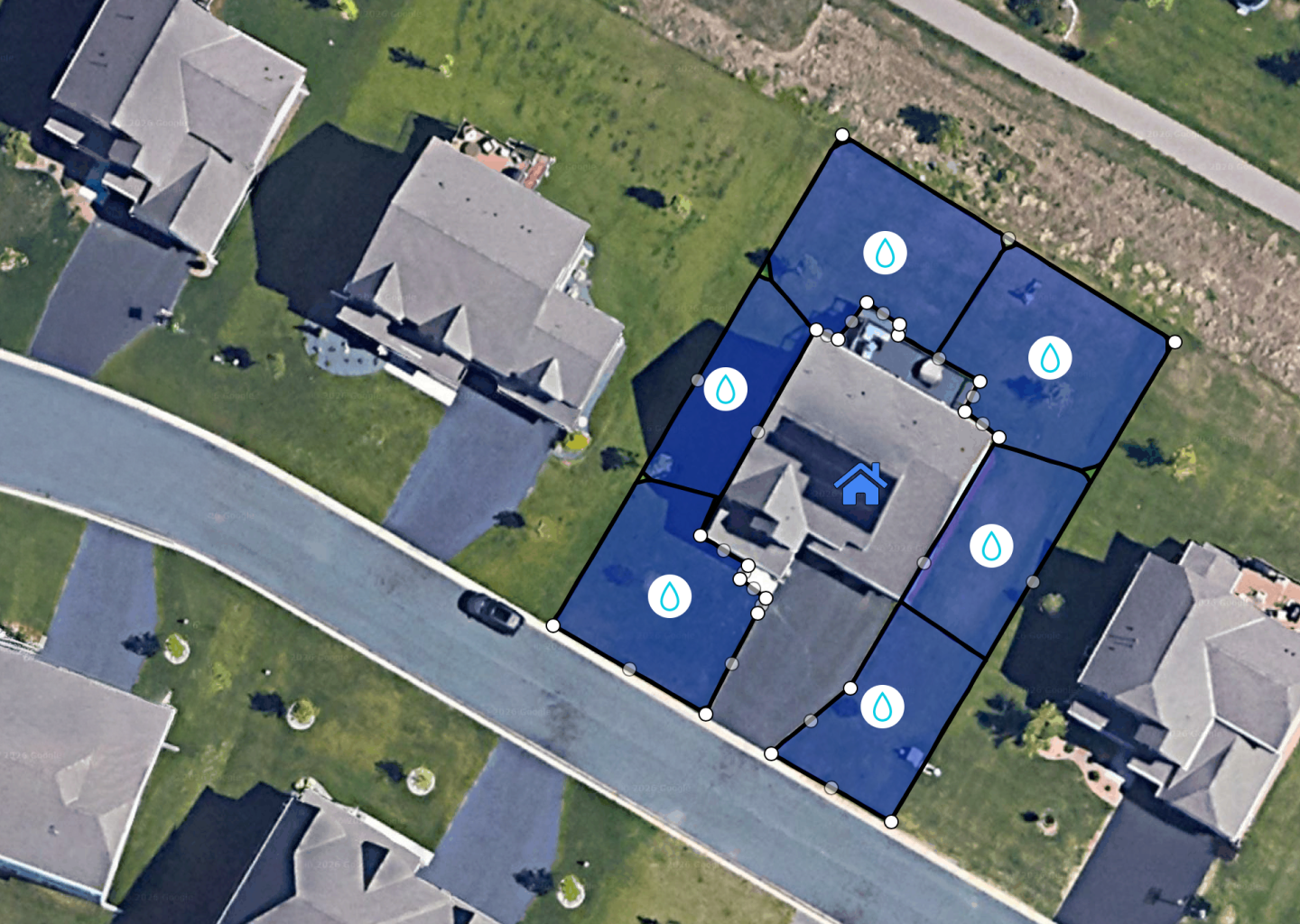
Precision coverage. Each head adjusts its throw distance to the lawn's actual shape, mapped in the app — no overwatering one zone to fix dry corners.
Weather-aware scheduling. The system skips runs after rain, adjusts for heat waves, and ramps down in fall automatically.
Per-zone reporting. Leaks, low pressure, and missed cycles show up in the app before they show up on the lawn.
Most homeowners on this path see payback in 3 to 5 years through water savings, with time and lawn-health gains carrying value beyond that.
How to test the math on your own yard
The fastest way to ballpark ROI is to map the lawn in the [YardTrace™ Tool], compare the projected system against the current setup, and walk through the numbers with someone who can read both sides. Most homeowners leave that conversation with a clearer picture than any blog post can give them.
FAQs
Is smart irrigation worth it for most homeowners? For homeowners in hot or dry climates, with chronic dry spots, or who travel often — yes, almost always. For small flat lots in cool, wet, low-water-rate areas, the case rests more on time and lawn health than dollars. Irrigreen delivers the strongest results in the first group, where water savings compound fastest.
How long is the payback period? Most homeowners see payback in 3 to 5 years through water savings alone, with time and lawn-health gains carrying value beyond that. Irrigreen's per-zone reporting makes savings visible month over month.
Does smart irrigation really save up to 50% on water? Up to 50% versus a comparable traditional system is the approved Irrigreen figure. Actual savings depend on lawn size, climate, current system efficiency, and prior over-watering.
What's the catch? Upfront cost. A smart system costs more than a traditional retrofit at install. The math improves over time, but if the property is changing hands soon, the payback window may not close.
How is it different from just adding a smart controller? A smart controller schedules better, but it doesn't change where water lands. Irrigreen pairs smart scheduling with precision coverage, so the schedule and the spray pattern both improve.
Will I notice the lawn looking different? Most homeowners notice within the first month: dry corners green up, soggy spots dry out, and the color evens out. Irrigreen's coverage mapping is built to remove that dry-corner pattern.
Does it work with my existing system? Sometimes. Existing controllers and heads occasionally retrofit into a smart system, but a full Irrigreen install replaces both — which is where most of the ROI comes from.
A practical next step
The math is different on every yard. The fastest way to find out whether smart irrigation is worth it on yours is a short conversation with someone who's run the numbers across hundreds of properties. Book a consult with the Irrigreen team to walk through your yard, climate, current setup, and projected savings.
TL;DR
- Is smart irrigation worth it? It comes down to three levers: water savings, hours saved each month, and long-term lawn health.
- Homeowners in hot or dry regions see the strongest financial return; cool, wet regions lean more on time and lawn-health benefits.
- Established lawns with chronic dry spots get the biggest single ROI boost, because precision coverage removes the most common reason traditional systems waste water.
- The EPA estimates up to half of outdoor water is wasted on inefficient systems — that's the pool most savings come from.
- Payback typically lands in a 3–5 year window through water savings alone; time and lawn-health gains carry value beyond that.